

Have Drawings or Specifications?
01Send the available project information for review, such as:
- Single-line diagrams
- Electrical drawings
- Load schedules
- Project specifications
- Component requirements
- Existing cabinet requirements
Power Distribution
Project-configured low-voltage power distribution cabinets developed around your electrical requirements, loads, circuits, component preferences, installation conditions, and agreed project documentation.
Have drawings? Send them for technical review. No final drawings yet? Start with your loads, circuits, and required functions.
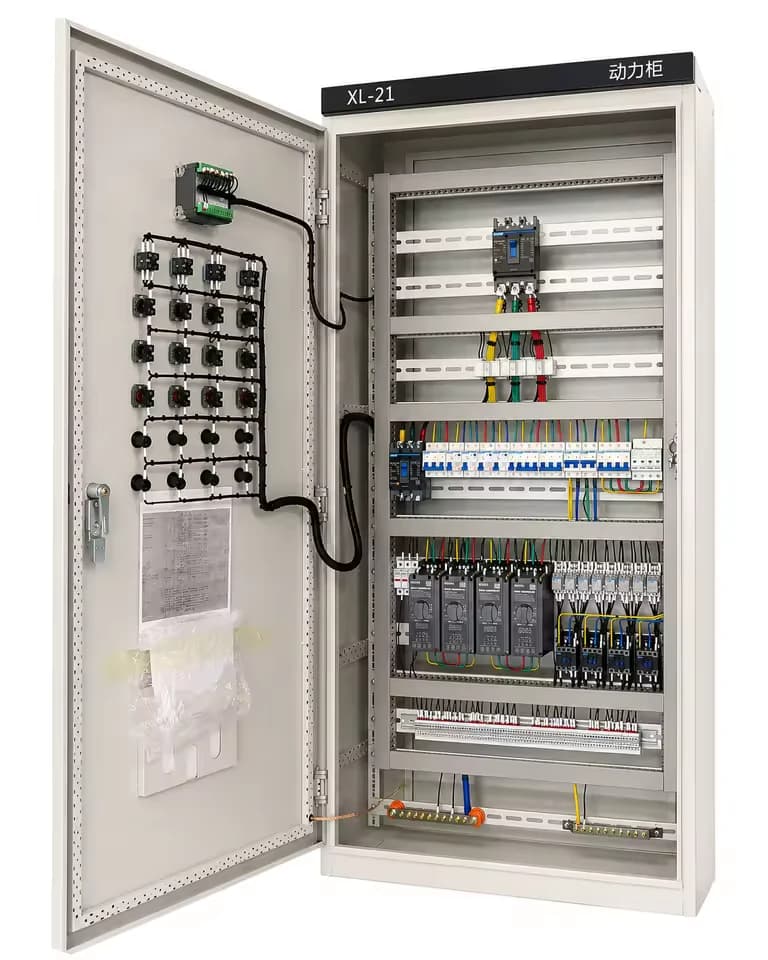
Every XL project starts from the information available at that stage. Completed cabinet drawings are useful, but they are not required to begin a technical discussion.
Send the available project information for review, such as:
If the final cabinet design has not yet been completed, start with:
Within the agreed cabinet project scope, GoodQi can develop the cabinet single-line arrangement, component selection, and cabinet design for customer review and approval.
Start From RequirementsEngineering support applies to the agreed cabinet scope. Broader electrical-system design responsibilities are reviewed separately when applicable.
Project-Configured Scope
XL power distribution cabinets are independently configured for each project. Final ratings, construction, components, and documentation are confirmed through technical review rather than defined by one universal standard configuration.
Project voltage, frequency, system conditions, and applicable electrical requirements.
Incoming arrangement, outgoing circuits, load distribution, and branch requirements.
Protection, metering, indication, and related functions according to the agreed project requirements.
Customer-preferred brands and models reviewed against technical compatibility and supply availability.
Internal layout, assembly, wiring, dimensions, cable arrangement, and installation constraints defined for the project.
Environmental and enclosure requirements reviewed according to the intended installation conditions.
Inspection, functional checks, and project-specific test requirements confirmed before execution.
Drawing, approval, testing, and other documentation requirements defined during technical clarification.
Engineering Support
We review the drawings, specifications, load information, or functional requirements currently available.
Technical questions, assumptions, missing information, and project-specific requirements are identified before the scope is finalized.
Where required, GoodQi develops the cabinet single-line arrangement, component selection, and cabinet design within the agreed project scope.
The proposed configuration and relevant drawings or specifications are submitted for customer review and confirmation.
The approved configuration and current revision are confirmed before production release. Subsequent changes are reviewed before implementation.
Component Options
Component brands and models can be reviewed according to customer preferences, technical requirements, compatibility, and supply availability.
Final component selection is confirmed as part of the project technical scope before production.
Quality & Verification
Inspection and testing are carried out against the agreed project configuration and requirements.
Incoming components and materials are checked as part of the production process.
Assembly, wiring, and relevant production details are checked during manufacturing.
Final inspection and agreed functional checks are completed before release.
If a project requires specific FAT procedures, witness testing, third-party involvement, acceptance criteria, or report formats, these requirements must be identified and confirmed before order commitment.
Project Input
Send the information you have now. Early-stage enquiries are welcome, and missing details can be identified through technical clarification.
If available:
Drawings are helpful, but they are not required to start a project discussion.
Send Project RequirementsProject-Specific Review
Final electrical ratings, short-circuit requirements, busbar configuration, enclosure requirements, component supply, testing and documentation expectations, and applicable conformity requirements are reviewed against the specific project and destination before confirmation.
No single fixed public rating table is presented because XL cabinets are not supplied as one universal standard configuration.
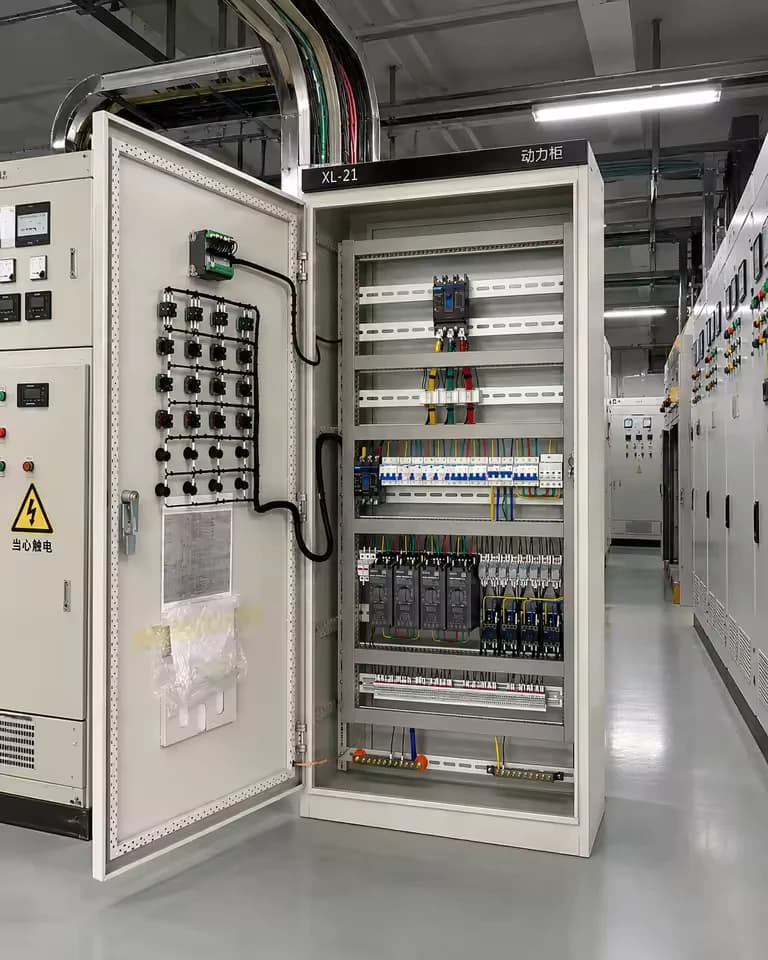
Real Product Context
The images below show actual cabinet and manufacturing context. They are not presented as completed overseas customer references.
No. If drawings or specifications are available, send them for review. If the cabinet design has not yet been completed, you can start with your supply conditions, loads, circuits, required functions, and installation requirements.
Yes. Within the agreed cabinet project scope, GoodQi can develop the cabinet single-line arrangement, component selection, and cabinet design for customer review and approval.
XL cabinets are configured for individual projects. Final ratings and configuration are therefore confirmed through technical review rather than represented by one universal public specification.
Yes. Customer preferences can be reviewed against technical compatibility, project requirements, and supply availability before the final component selection is confirmed.
Project-specific testing, documentation, and applicable conformity requirements should be identified as early as possible. Their applicability and executability are reviewed before order confirmation.
Send your drawings and specifications, or start with your load, circuit, and functional requirements. We will review the available information and identify the technical points that need to be confirmed.